
OUR STORY
Established in 2006, Little Orchids Playgroup began thanks to the vision and dedication of Margaret Walsh—a pioneer who secured funding from the Red Cross to launch the first playgroup in the area for pre-schoolers with special needs.
She chose the name “Little Orchids” based on the belief that children with additional needs, much like the orchid flower, require extra time, attention, and love to bloom into something beautiful and special.
Formally incorporated in 2009, we became Little Orchids Children’s Centre, to reflect our broader mission beyond standard playgroup services.
The centre has been improved over the years, with the addition of an outdoor play area, sensory garden, soft-play room, sensory room and accessible entrance and toilet facilities.
In 2014 Little Orchids was featured in a Big Lottery Fund film as part of the “Culture for All” program (Available on our media page).
Today, Little Orchids provides sessions and support for up to 32 children each week, with a dedicated team of staff and volunteers, and helps to provide information and training to parents and carers .
AIMS & OBJECTIVES
We run 2 sessions per day and have a high adult child ratio. Observations are used to assess each child’s individual needs, strengths, interests and abilities and to plan experiences that will encourage further learning. Throughout the daily routine we promote each child’s social skills, communication skills, self help skills, play skills and independence. We liaise closely with Health and Education Professionals involved with each child to share information to achieve common goals for the benefit of the child.
We cater for children who have a wide variety of specific needs such as:
- Developmental Delay
- Speech & Language Delay
- Genetic Conditions
- Physical Disability
- Medical Conditions
- Autistic Spectrum Disorders
- Behavioural Issues
- Sensory Impairment i.e. visual / hearing loss
PROFESSIONALLY TRAINED STAFF
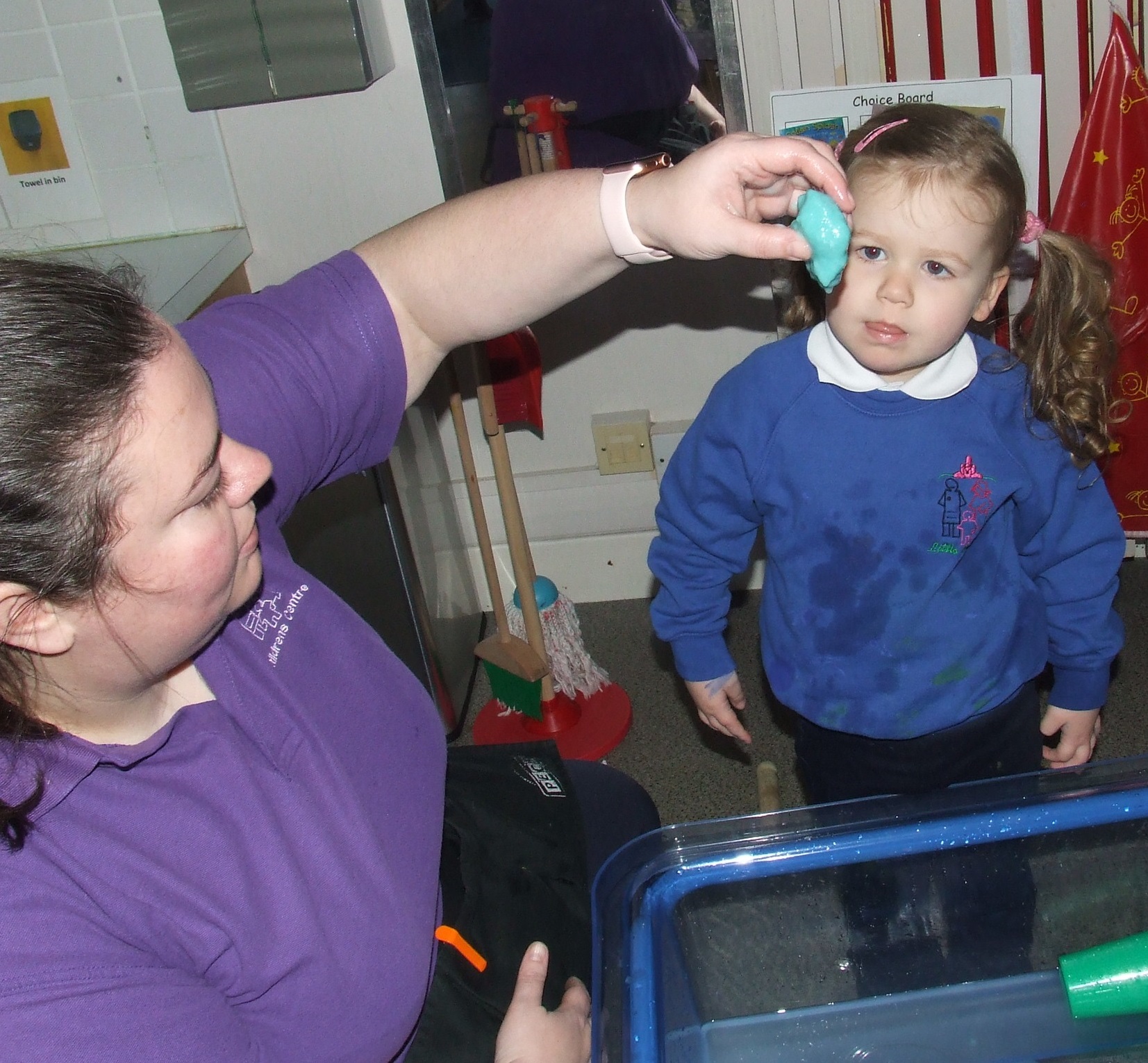
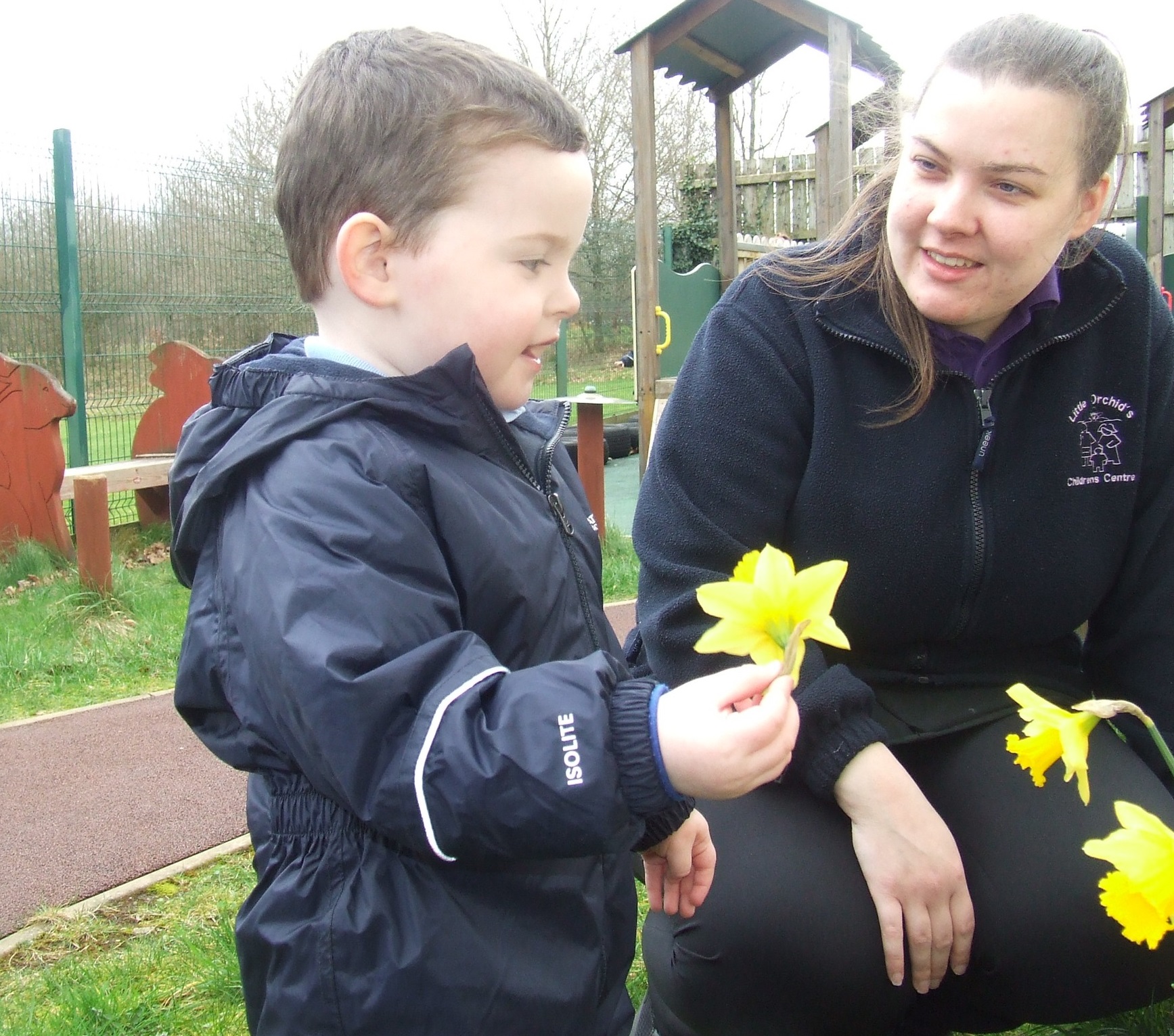
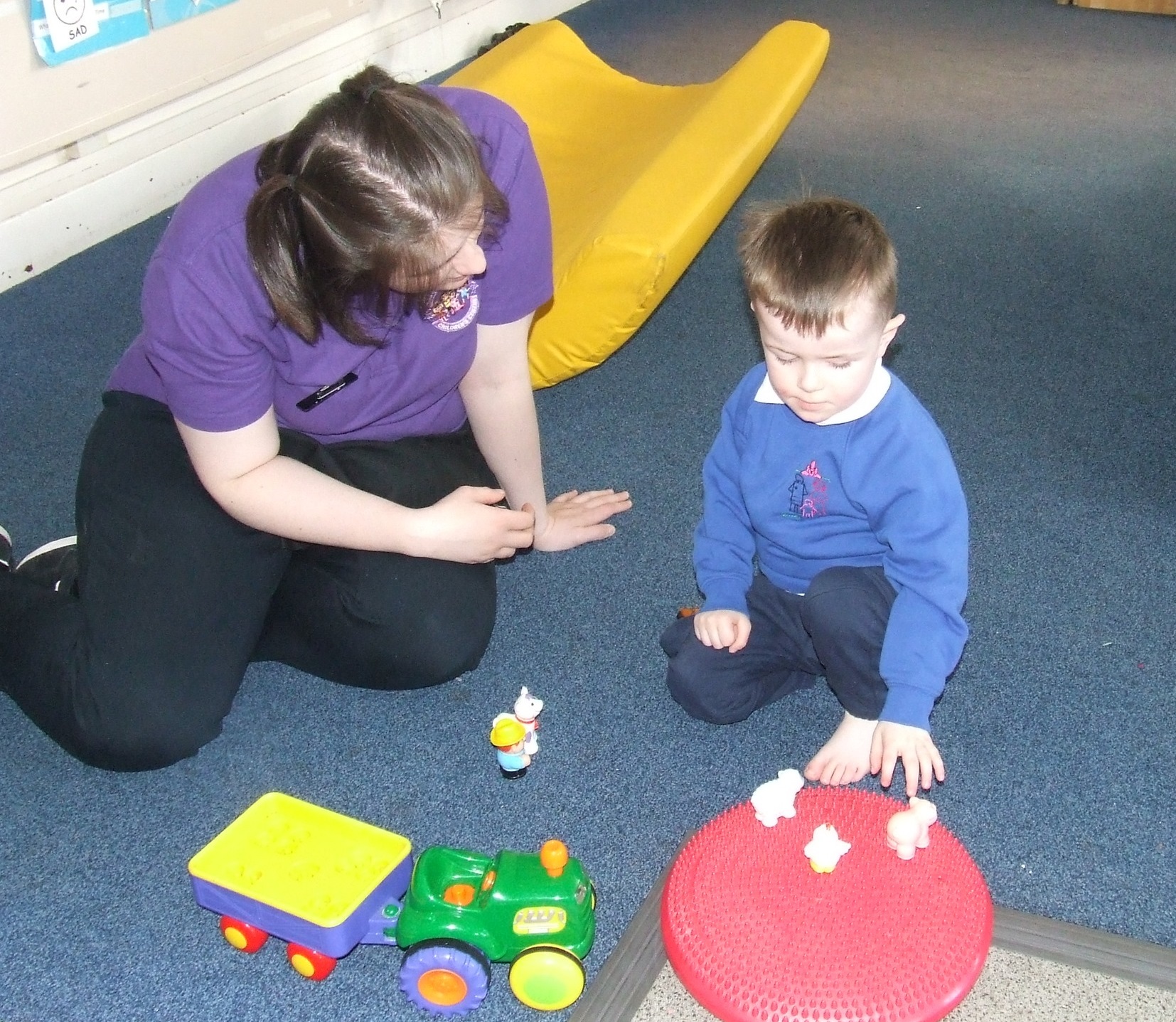
Staff at Little Orchids use Alternative and Augmentive Communication to help the children with communication difficulties to make the most of their available senses and experiences. Methods of Alternative and Augmentive Communication include symbols, communication boards, makaton and facial expressions to convey emotions. Staff monitor the effectiveness of the methods for the individual children.
All staff are highly experienced and committed to on-going training to provide the best outcomes for children and their families. Training is identified for staff specific to the needs of children and some of the training staff have undertaken include:
- Highscope Curriculum
- Working In Partnership with Parents
- Picture Exchange Communication (PECS)
- Makaton
- Elklan Speech & Language Training
- Epilepsy Awareness
- Behaviour Management
- Manual Handling
- Toilet Training
- Verbal Behaviour Training
- ASD Training
- Sensory Processing & ASD
- Applied Behaviour Analysis